How to Find the Best Bifold Doors for Your Home Renovation
Identifying the right bifold doors for a home renovation requires careful consideration of various factors. Property owners must consider materials, style, and energy efficiency to achieve a unified appearance and practicality. Exact measurements are necessary, whether homeowners opt to fit the doors themselves or hire expert installers. With these considerations in mind, the undertaking can feel daunting. Comprehending the details of bifold doors is vital for reaching a well-considered choice that improves both appearance and functionality.
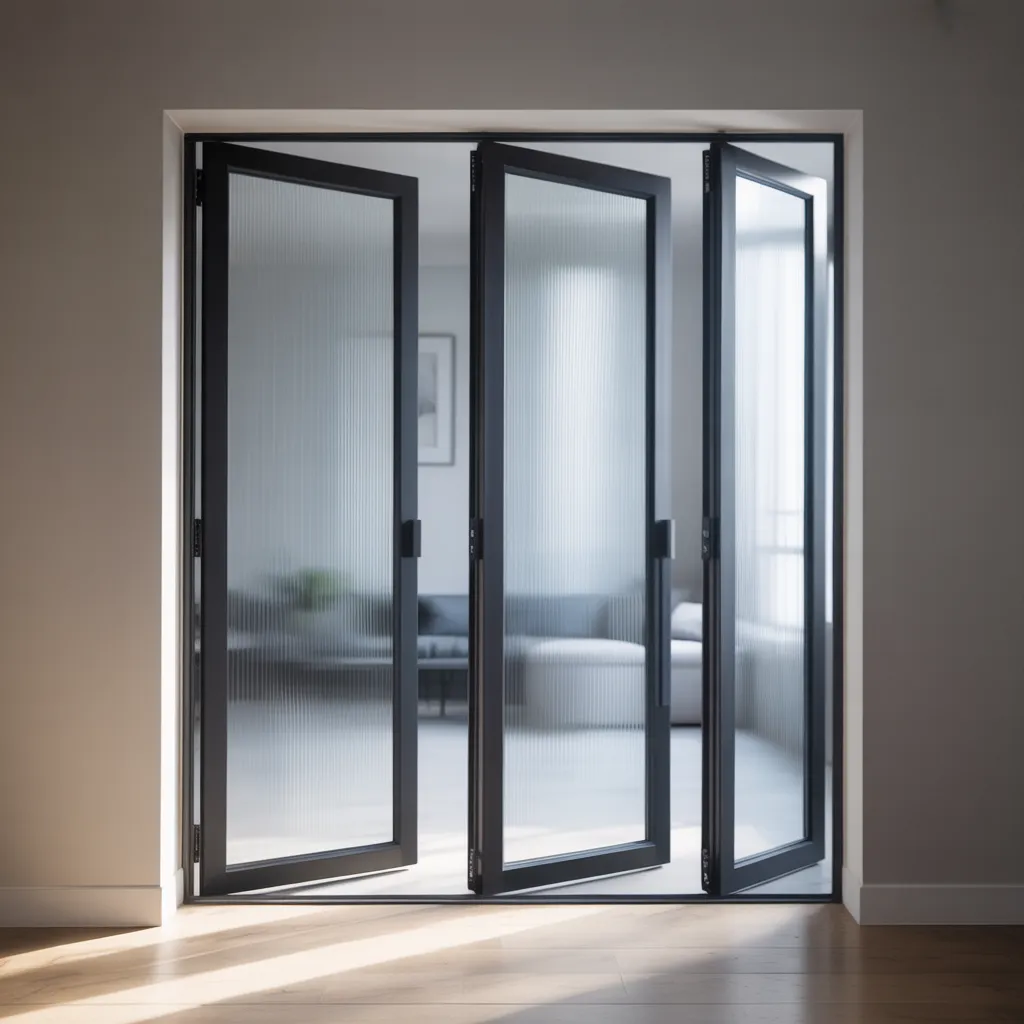
Discovering Bifold Doors: Their Benefits and Features
When considering home renovations, understanding bifold doors is essential due to their unique benefits and features. Bifold doors feature numerous panels that fold and accumulate to one side, producing a generous opening that smoothly joins indoor and outdoor areas. This design enhances natural light, making rooms feel larger and more welcoming. They additionally provide versatility, enabling homeowners to modify the space based on their requirements.
When it comes to appearance, bifold doors deliver a stylish look that can improve the overall aesthetic of a home. Their versatility means they can be installed in numerous settings, including terraces, dining areas, and even as partition walls. Furthermore, bifold doors commonly include strong security features and sustainable options, promoting a safer and more sustainable living environment. Ultimately, bifold doors merge functionality with elegance, making them an ideal choice for any property upgrade.
Comparing Bifold Door Materials: Wood, Aluminum, and PVC
Picking the most suitable option for bifold doors is important, as each choice—wood, aluminum, and PVC—offers distinct benefits and disadvantages. Wood offers a classic aesthetic, a warm feel, and insulating properties but requires regular maintenance to avoid warping and weather damage. It is generally more expensive and may not be ideal for humid environments.
Aluminium, in contrast, is known for its strength and ability to withstand the elements. It requires little maintenance and is available in a wide range of finishes, making it a modern choice. However, aluminum tends to be less thermally efficient without the inclusion of thermal breaks.
PVC-based doors are cost-effective and highly resistant to moisture, making them well-suited for spaces with elevated moisture levels. They demand very little maintenance but may lack the visual appeal of wood or aluminum. At the end of the day, the material chosen should correspond to the homeowner's financial plan, visual tastes, and unique environmental requirements.
How to Accurately Measure Your Space for Bifold Doors
Accurate measurements are vital for confirming that bifold doors fit seamlessly within a designated space. To begin, the width of the opening needs to be recorded at three distinct positions: the top, middle, and bottom. This helps account for any irregularities in the structure of the wall. Subsequently, the vertical measurement should be measured from the bottom to the upper edge of the opening, again checking at multiple points to confirm consistency.
It is furthermore essential to assess the depth of the area where the doors are to be fitted, particularly when a frame is necessary. Furthermore, take into account the arc of movement of the doors upon full opening, making sure there is adequate space for unobstructed movement. In addition, it is wise to document any supplementary elements, including handles or locks, that could influence the total measurements. Taking these precise measurements will facilitate a smooth installation process and enhance the functionality of the bifold doors.
Choosing the Right Bifold Door Style for Your Home
Picking the right bifold door design requires careful consideration of available materials and design aesthetics. Different material options, such as wood, aluminum, and fiberglass, can greatly influence the general appearance and longevity of the doors. In addition, the design chosen should enhance the home's architecture and elevate the appeal of its interior and exterior.
Material Selections Available
When exploring bifold doors for a home improvement project, familiarizing yourself with the available material options is crucial, as every type influences both appearance and functionality. Popular materials include wood, aluminum, and vinyl.
Natural wood offers an organic warmth and can be tailored with numerous finishes, making it a favored selection for conventional styles. Aluminum framing, known for its strength and durability, offers a contemporary appearance with slender profiles, ideal for modern living spaces. Vinyl material, on the other hand, is easy to maintain and energy-efficient, making it a sensible solution for homeowners looking for cost-effective solutions.
Each type of material presents its own set of advantages and disadvantages, influencing factors such as thermal performance, upkeep needs, and long-term durability. Therefore, selecting the right material is essential for achieving desired performance and style.
Visual Design and Aesthetic Elements
Design plays an essential role in determining the right bifold door design for a home renovation, as it significantly affects the overall aesthetic and functionality of a living area. Property owners must evaluate the structural character of their residence, whether modern, traditional, or eclectic, to guarantee coherence. The selection of materials, colors, and finishes also impacts the aesthetic quality; wood offers warmth, while aluminum provides a sleek, contemporary look. Additionally, the scale and arrangement of the bifold doors should suit the interior's measurements and structure, enhancing both light flow and accessibility. At the core, picking a bifold door that blends with the current interior design will elevate the home's design while delivering real-world value, forming a natural flow between indoor and outdoor environments.
Energy-Saving Bifold Doors: Key Features to Consider
When evaluating high-performance bifold doors, homeowners ought to focus on thermal performance ratings to ensure proper insulation and reduced energy costs. Moreover, the choice of frame materials can greatly impact long-term durability and energy efficiency. To conclude, exploring various glazing options will assist in maximizing natural light while limiting thermal energy loss.
Thermal Efficiency Ratings
How can homeowners make certain that their bifold doors promote energy efficiency? One critical factor is understanding thermal performance ratings, which indicate how effectively a door protects against heat transfer. Homeowners should look for doors with high energy ratings, such as those endorsed by Energy Star, to ensure maximum performance. The U-factor evaluates heat loss, while the Solar Heat Gain Coefficient (SHGC) measures solar radiation absorbed. A lower U-factor denotes better insulation, while an appropriate SHGC can reduce cooling costs in warmer climates. Additionally, take into account the R-value, which reflects resistance to heat flow; higher values imply better insulation. By focusing on these ratings, homeowners can choose bifold doors that enhance energy efficiency and contribute to lower utility bills.
Considerations for Frame Materials
Choosing the right frame material for bifold doors is essential for improving energy efficiency. Popular materials consist of aluminum, wood, and vinyl, all providing distinct advantages. Aluminum frames are lightweight and strong, but they may demand thermal breaks to improve insulation. Wood frames offer natural insulation characteristics and aesthetic appeal but demand regular maintenance to guard against warping. Vinyl frames are known for their durability and low maintenance, delivering good insulation without the need for painting or staining. When selecting a material, homeowners should evaluate climate, desired thermal performance, and maintenance requirements. Identifying the appropriate frame material not only impacts energy consumption but also supports the overall comfort and sustainability of the home.
Glazing Options Benefits
When choosing bifold doors, homeowners should prioritize glazing options as they play a major role in determining energy efficiency and comfort. Double or triple glazing is often recommended, as it supplies better insulation by limiting heat loss and reducing drafts. Low-E coatings can further boost energy performance by reflecting heat back indoors during colder months and keeping it out during warmer months. Furthermore, homeowners might explore argon or krypton gas fills between panes, which increases thermal effectiveness. Choosing the right glazing not only affects energy bills but also influences condensation control and indoor comfort levels. By investing in high-quality glazing choices, homeowners can ensure their bifold doors help create a more energy-efficient and comfortable living environment.
Personalization Options: Finishes, Colors, and Hardware
Customization options are vital in the charm of bifold doors, enabling homeowners to achieve a seamless integration with their existing interior style. A range of finishes, such as vinyl, wood, or aluminum, can improve the overall look while offering durability. Homeowners are able to choose from a wide selection of colors, from classic wood tones to striking colors, ensuring that the doors complement or contrast with surrounding elements effectively.
Alongside color choices and surface finishes, hardware selections also play an important role in the general aesthetic. Handles, copyrights, and locks can be selected in a variety of styles and materials, such as matte black, brushed nickel, or antique brass, providing additional customization options. Such decisions not only improve functionality but also add to the aesthetic appeal of the bifold doors. By thoughtfully choosing these elements, homeowners can create bifold doors that showcase their individual style and uplift their home's overall feel.
Self-Installation vs. Professional Installation: What You Need to Know
When considering bifold door fitting, homeowners frequently debate whether to tackle the project themselves get started or hire a professional. Doing it yourself can be tempting for those seeking to save money and enjoy a hands-on experience. That said, it demands a strong knowledge of carpentry and the appropriate tools. Errors can result in poorly aligned doors and expensive fixes.
Conversely, employing a professional provides a hassle-free installation with professional expertise and hands-on experience. Skilled professionals are prepared to address any unforeseen obstacles, such as complex structural problems or specialized measurements, delivering a sense of security. They often offer warranties, adding further value.
At the end of the day, the determination copyrights on the homeowner's skill level, budget, and time constraints. Homeowners who are confident in their abilities may choose the DIY route, while many may prefer to engage expert services for a stress-free outcome. Evaluating both options carefully will lead to the best choice for the specific renovation project.

Questions We Often Receive
How Can Bifold Doors Affect Your Home's Resale Value?
Bifold doors are known to increase a home's resale value by elevating the overall look of a property and allowing more natural light to flow in. Potential buyers often appreciate the seamless connection between indoor and outdoor spaces, which makes homes featuring bifold doors highly sought after in competitive real estate markets.
Do Bifold Doors Work in Small Spaces?
Bifold doors are truly well-suited for smaller spaces, as they serve as a practical means of optimizing the available area. Their design allows for flexible openings, generating a sense of expanded space while boosting the entry of natural light and overall accessibility.
How Much Maintenance Do Bifold Doors Need Over Time?
Bifold doors require consistent upkeep, which includes cleaning tracks, greasing the copyrights, and checking seals for wear. Inspecting for damage and maintaining proper alignment helps maintain functionality and prolongs the life of the doors.
Can You Fit Bifold Doors into Existing Frames?
Bifold doors can often be installed in existing frames, as long as the dimensions and structural integrity meet the necessary requirements. Certain modifications may be needed, to guarantee a secure fit and optimal functionality for smooth operation.
What Are Typical Issues With Bifold Doors?
Typical problems with bifold doors involve installation misalignment, operational difficulty caused by debris or wear, insufficient sealing that results in drafts, and possible material damage caused by humidity or extreme weather conditions.